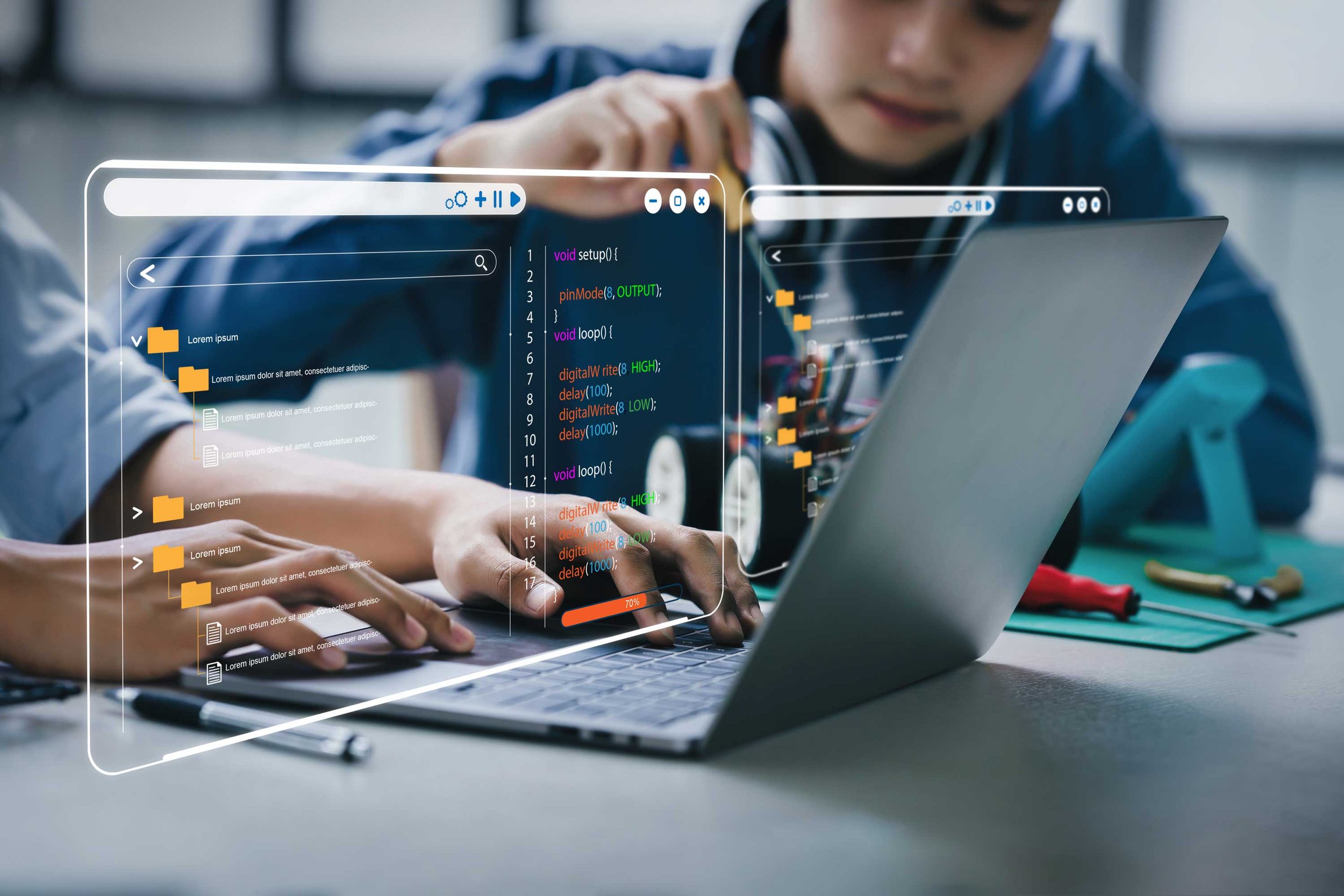
It’s no secret that AI technology is here to stay. And, using Gemini or ChatGPT can certainly help with brainstorming, quickly answering simple questions, and generating background data. But for parents (and educators), questions and concerns about students’ use of AI for schoolwork are growing.
ChatGPT burst onto the scene in November 2022, quickly followed by Gemini in December 2022. While initially the novelty was intoxicating, fears about student misuse and cheating began almost immediately. In fact, some large school districts, worried about academic integrity and plagiarism, initially blocked access.
In the National Education Association (NEA) article, “As ChatGPT Enters the Classroom, Teachers Weigh Pros and Cons,” educators note that, “Because of the program’s simplicity, accessibility, and convenience, students have been using it to generate answers to homework and even entire essays, claiming the chatbot’s writing as their own.”
The Proper Use of AI Requires a Frank Discussion With Kids
For students, the line between the effective use of AI technology and what is considered cheating may be blurry. This requires a serious conversation about appropriate use… and misuse.
First, discuss the best ways to write a proper query. Asking for a list of essay topic ideas? OK. Using the query, “Write a 3,000-word paper on the reasons for the fall of the Roman Empire.” Absolutely not!
Next, students without much experience using AI may not realize that not all results are trustworthy. AI hallucinations and bias mean that a query may result in false, skewed, or wholly fabricated data, sources, and studies. It’s vital that students check each cited source, statistic, author, and data point for accuracy early on in the process.
In addition, share with children how teachers are using AI to catch those who abuse the tech. For example, the free AI detector Grammarly is trained to identify AI-generated text. The app provides an overall score that indicates how much of a paper appears to be written using AI. Similarly, Humanlingo is easy to use and offers a breakdown of how much text is AI-generated based on factors such as repetitive phrasing, uneven rhythm, and readability. While these AI detectors are by no means foolproof, they do provide a strong deterrent for misuse.
Finally, and most importantly, have a conversation about what real learning means. While it may feel tempting for students who are weighed down with challenging classes, multiple extracurriculars, and sports practices, misusing AI will only backfire. In the Education Week article, “Rising Use of AI in Schools Comes With Big Downsides for Students,” authors note that an overwhelming, “Seventy percent of teachers worry that AI weakens critical thinking and research skills.”
In the same way that a calculator is only a helpful tool, not a substitute for learning math principles, an AI tool can truly benefit students when utilized correctly. But it can never replace critical thinking, writing and research skills, or creativity. Use wisely!