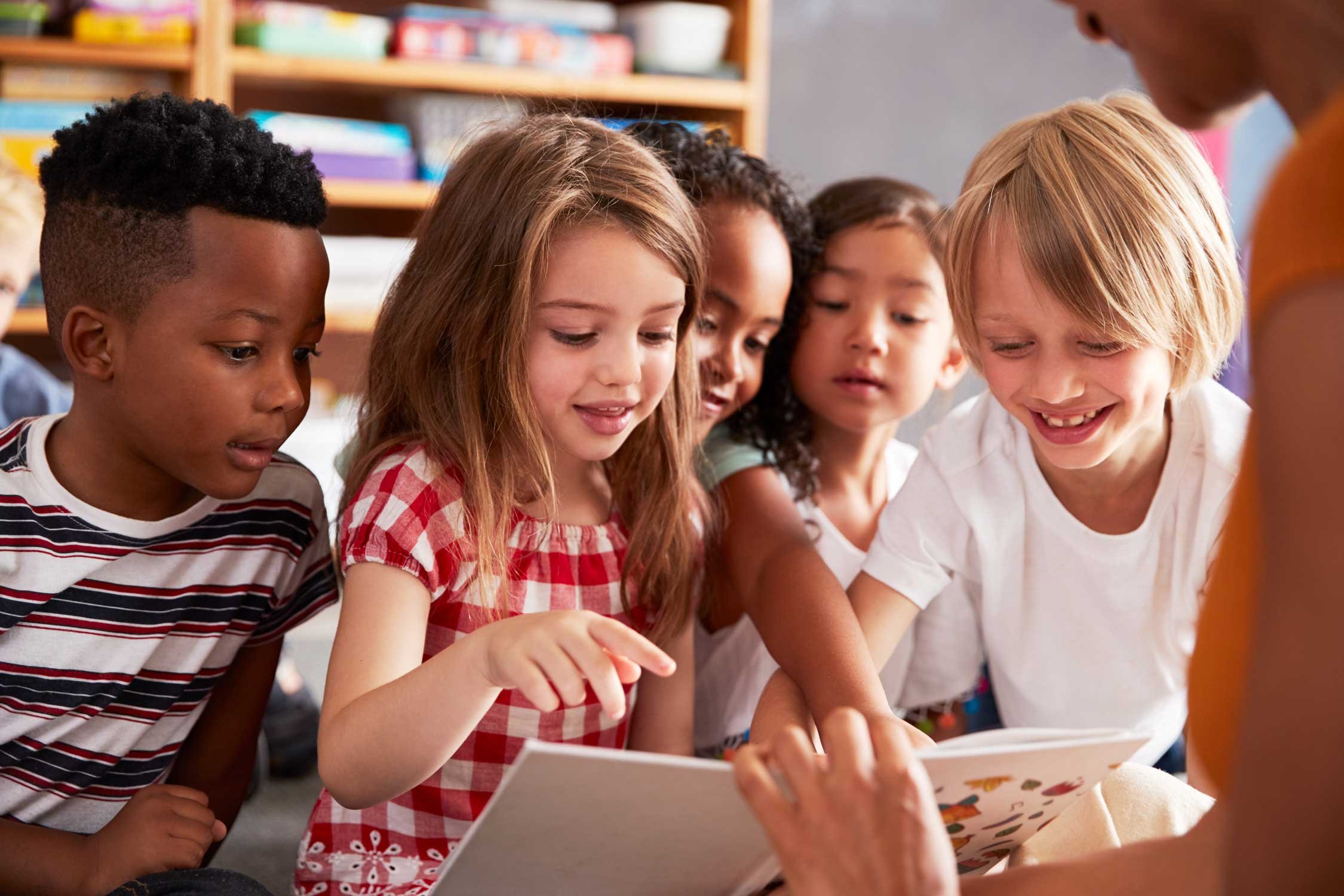
Did you know? Recent studies have found that book access, or having as few as 20 books at home, is linked to better school performance and higher graduation rates. So, keeping that well-loved stack of Paw Patrol, Magic Treehouse, or Diaries of a Wimpy Kid favorites can actually have lifelong benefits for your kids. When children grow up surrounded by books, they improve reading comprehension skills and develop wider vocabularies to help them succeed in school… and life!
But creating book access requires a bit more than simply installing a bookshelf of Dr. Seuss classics.
It’s essential to create a home where books are part of your child’s everyday life. From reading before bedtime each night, to sharing a story curled up on the sofa, to pulling out a book to read while waiting at the dentist’s office, books can be incorporated into a child’s day in so many ways.
How to Create a “Home Library.”
Although the term home library sounds intimidating, your little library does not have to look like a scene from Beauty and the Beast! Creating book access doesn’t have to be expensive or take years to grow a collection. No matter how small, by creating a home library you send a powerful message to your kids: Books matter. Reading matters.
Ready to get started?
First, it’s important to listen to your child’s latest interests (and as we well know, with kids these may change). Soccer, princesses, mysteries, or animal stories? The “best books” are the ones that your child can’t put down! It’s also important to match your child’s current reading stage, while including books just slightly beyond their comfort zone (to gently stretch their reading skills, but not frustrate them).
Once you have a shopping list, you can build gradually. Kids outgrow books quickly, so search thrift stores and yard sales for pre-loved books that are often in “like new” condition. A few each month will add up quickly.
And use your local public library! It’s free! Teaching kids to borrow books regularly also helps them develop a sense of excitement around reading, since the options are almost limitless. (Click here to find a Delaware library near you.)
Although there are more than 30 public libraries across the state, if you’re not located near one you can swap books with friends and neighbors. Book exchanges with classmates at school can help kids share their favorites and discover new ones. Or visit a bring-one-take-one Little Free Library. (Click here to search for a Little Free Library near you.)
Now that you have a big, wonderful pile of books, make sure they are visible and simple for kids to access. Keep them in every room. Books should be easy for kids to see, reach, and return to their place. Use low bookshelves (always attach to the wall to prevent tipping), wicker baskets, or crates.
You may also want to consider rotating some books every few weeks to keep things fresh and kids engaged. Some great examples are adding seasonal titles or books about special upcoming holidays.
As your child’s reading skills and interests evolve, your home library should, too. Gradually introduce books from different genres such as mystery, fantasy, historical fiction, and biographies. Your kids may even develop a new passion!
Remember, your home library doesn’t have to be Insta-worthy to be effective. It simply needs to be filled with books that your child is excited to read. Over time, what started out as a little collection of stories can become the foundation for your child’s lifelong love of reading!